

Invasive radiology

Invasive radiology
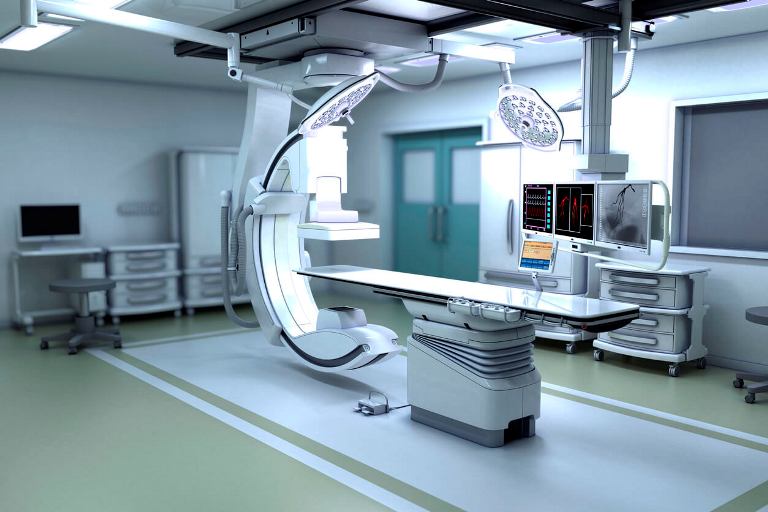
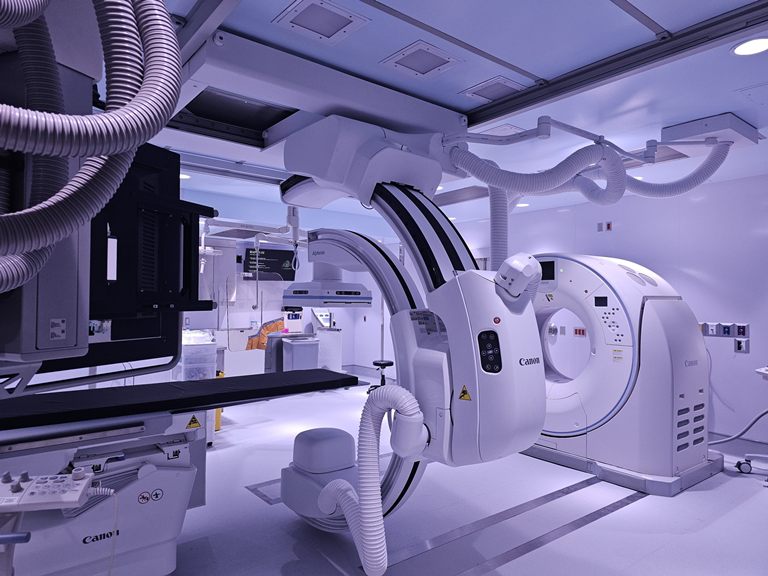
Invasive radiology (interventional radiology) is a medical specialty that uses imaging techniques (such as X-ray, ultrasound, CT, or MRI guidance) to diagnose and treat diseases through minimally invasive procedures.
In this field, doctors usually perform procedures by entering blood vessels or other areas of the body through thin needles, catheters (small tubes), and other specialized instruments instead of using large surgical incisions.
Examples of main procedures:
- Angiography – imaging blood vessels and detecting abnormalities
- Angioplasty and stent placement – opening narrowed or blocked blood vessels
- Embolization – stopping bleeding or reducing the blood supply to certain tumors
- Biopsy – taking a tissue sample under imaging guidance
- Drainage procedures – removing accumulated fluid or pus
- Treatment of varicose veins
- Local tumor treatments (for example, in some liver tumors)
Advantages:
- Smaller incisions and less trauma
- Shorter hospital stay
- Faster recovery
- In some cases, an alternative to open surgery
Interventional radiology is usually performed by specially trained interventional radiologists, and depending on the type of procedure, they work in collaboration with doctors from other specialties (such as cardiologists, vascular surgeons, oncologists, and others).