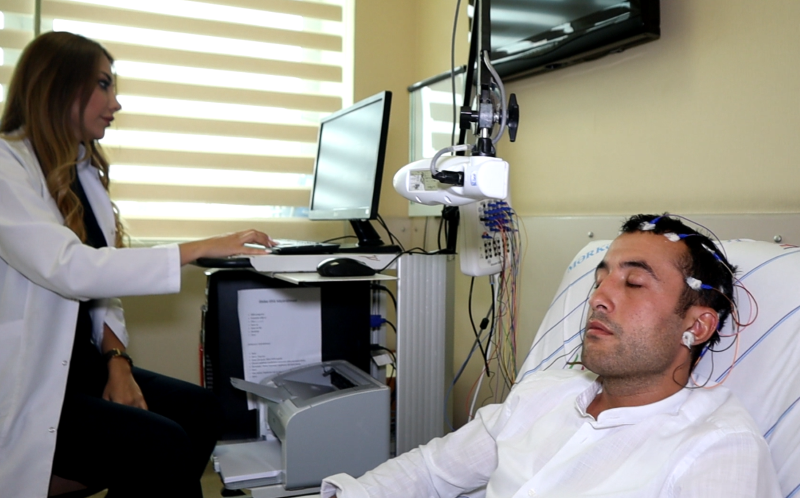



Neurology is a medical field that studies the structure and functions of the human nervous system, including the brain, spinal cord, peripheral nerves, and muscular system, as well as the diseases that affect these systems.
Main Divisions of the Nervous System
The nervous system is divided into two main parts:
1. Central Nervous System (CNS)
- Brain
- Spinal cord
2. Peripheral Nervous System (PNS)
- Nerves that originate from the central nervous system (arm, leg, facial nerves, etc.)
Main Diseases Studied in Neurology
Neurology focuses on the diagnosis and treatment of:
- Stroke (cerebrovascular disorders)
- Epilepsy (seizure disorders)
- Headaches and migraines
- Multiple sclerosis (MS) and other demyelinating diseases
- Parkinson’s disease
- Alzheimer’s disease and other dementias (memory disorders)
- Neuropathies (mainly peripheral nerve damage, such as diabetic neuropathy)
- Pediatric neurological disorders (such as cerebral palsy)
- Spinal cord injuries and diseases
- Dizziness and balance disorders
Who Is a Neurologist?
A neurologist is a specialized physician who diagnoses, treats, and helps prevent diseases of the nervous system.
You should consult a neurologist if you experience symptoms such as:
- Persistent headaches or dizziness
- Numbness, tingling, or tremors in the arms and legs
- Movement disorders or muscle weakness
- Memory loss or concentration problems
- Seizures or loss of consciousness
Neurology deeply studies how the brain and nervous system function and how disorders affecting these systems influence human life.

 bio
bio



 Get Appointment